I Doubled the Output of a Maglite with a 50¢ Mod

Candle Power Forums

Help Support Candle Power:

Lumencraft (Matt)

Flashlight Enthusiast
Joined
Jun 19, 2008
Messages
3,366
City & State/Province
Missouri
You are leaving lumens on the table if you don’t know this about your LED Maglite.
-By making one simple tweak inside the switch of a factory LED maglite I was able to take a 2D from 600 lumens to over a 1,000 lumens.
That's not even the light that benefitted the most.

Quick Warning: If you are using Alkaline batteries this mod is not going to do much for you. Alkaline batteries just cant carry the load required for this level of output. I recommend NIMH cells for a 3D, or li-ion cells for a 2D/2C to get the maximum benefit from this mod.

Here is a video on exactly how I pulled this off.


CREDIT: Shout out to BLF member thefreeman, this would not have been possible for me without his help.

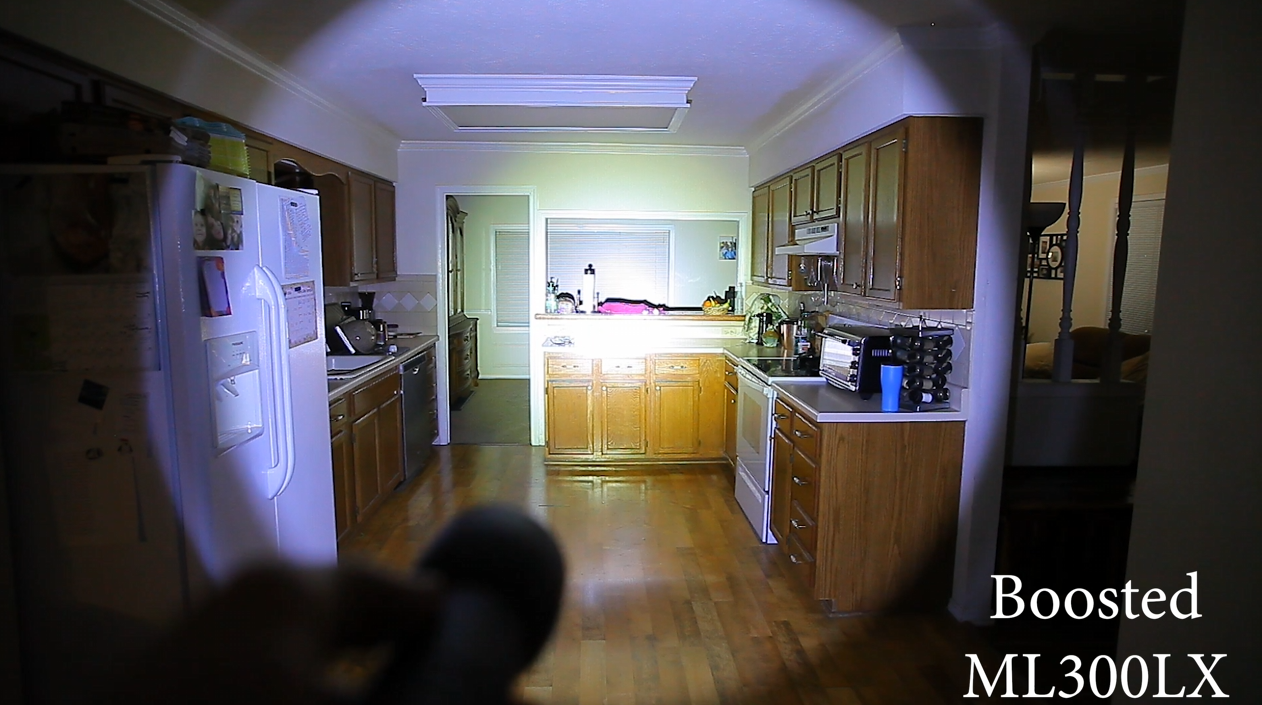
Before:
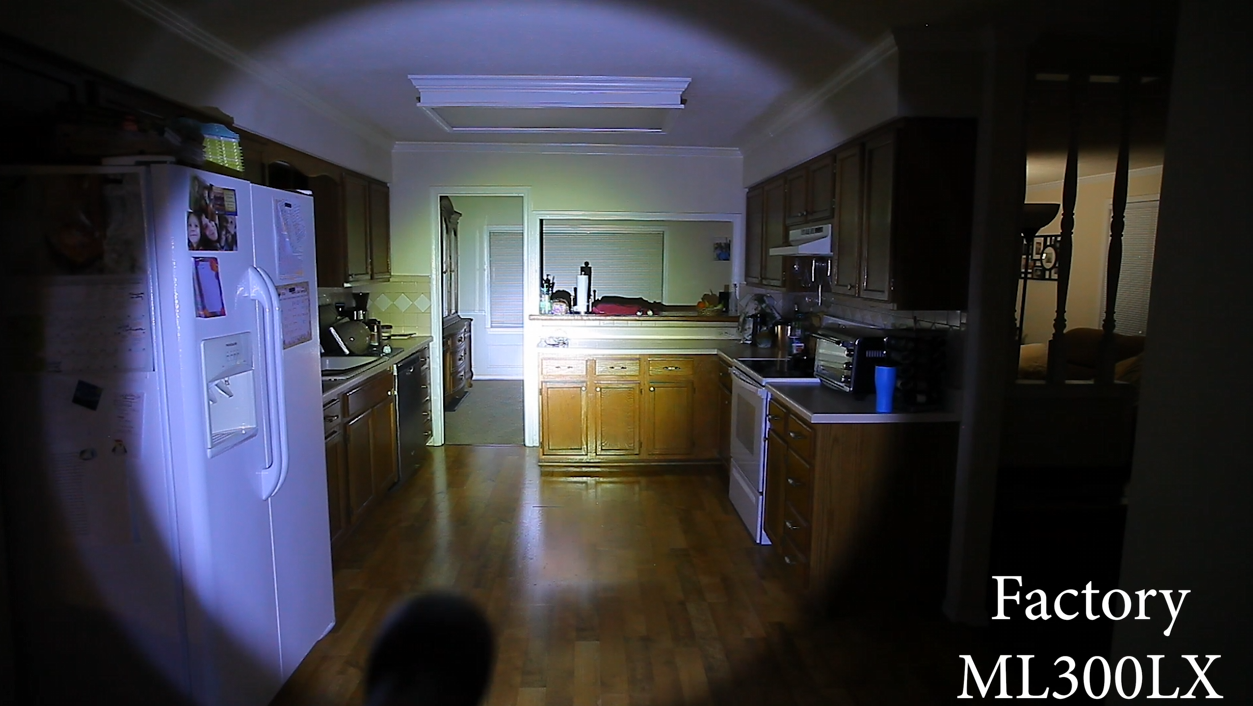
1.PNG

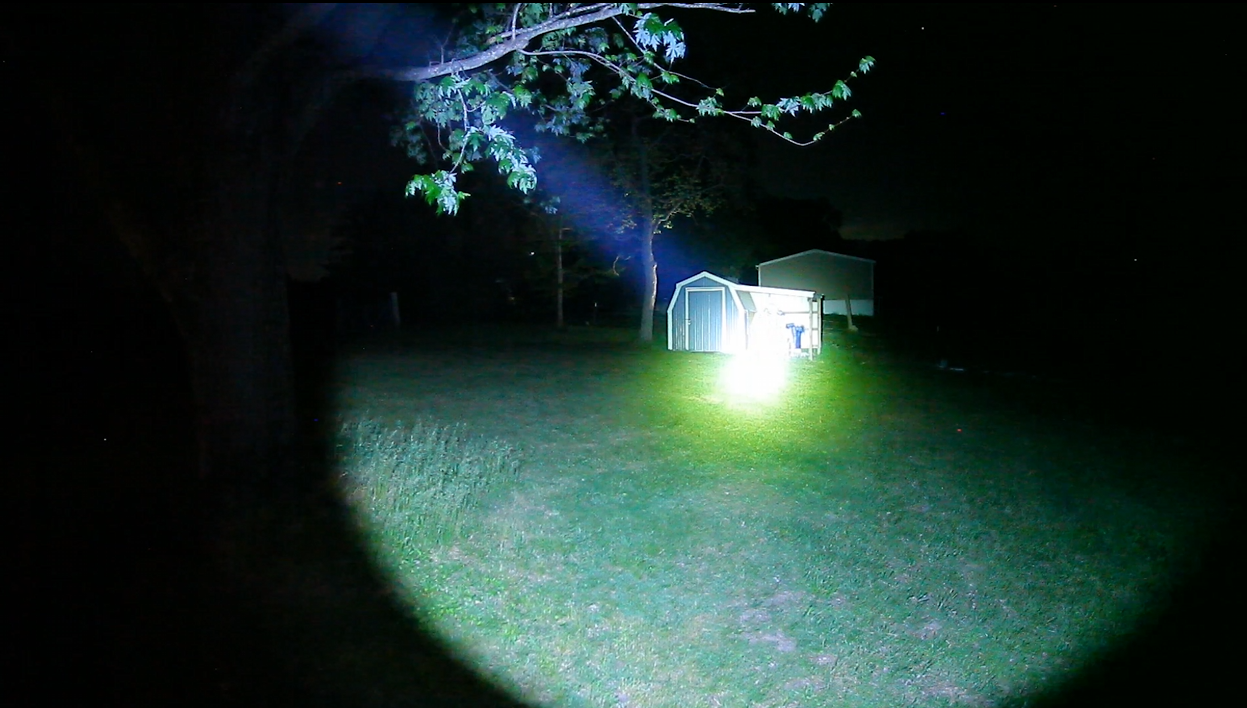
After:
3.PNG


To do this I took the driver out of the Maglite switch.
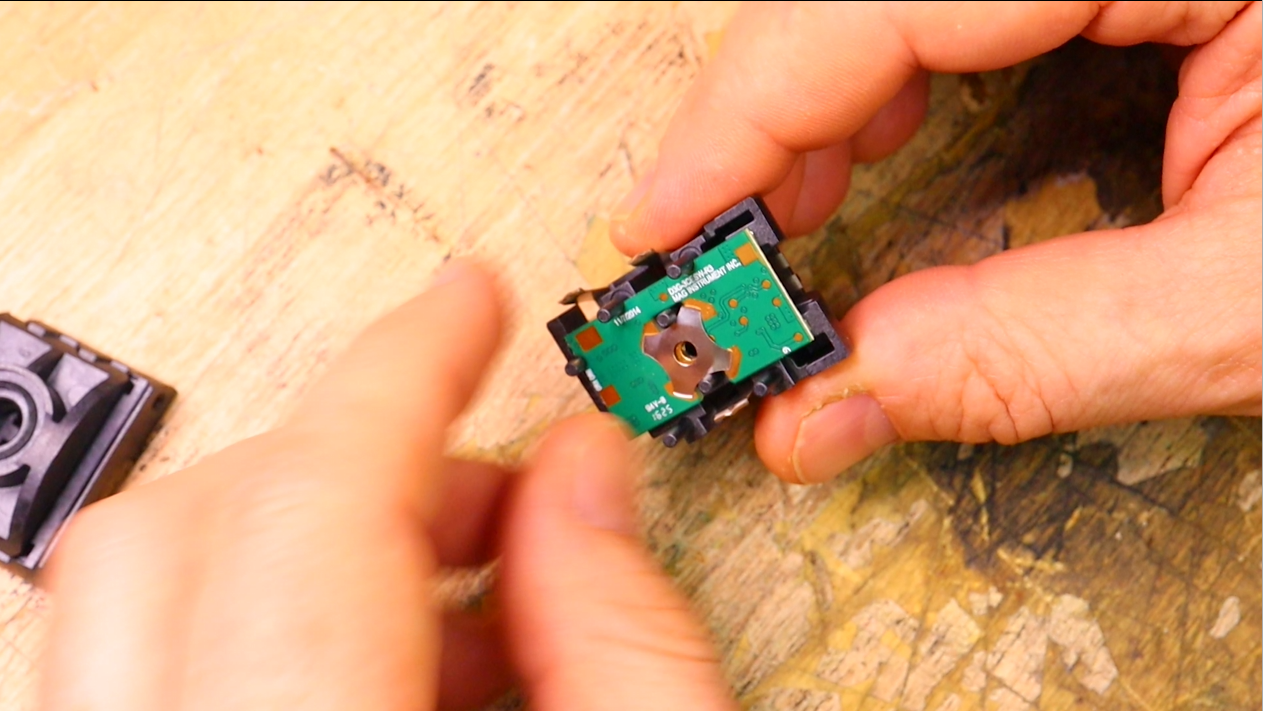
2.PNG


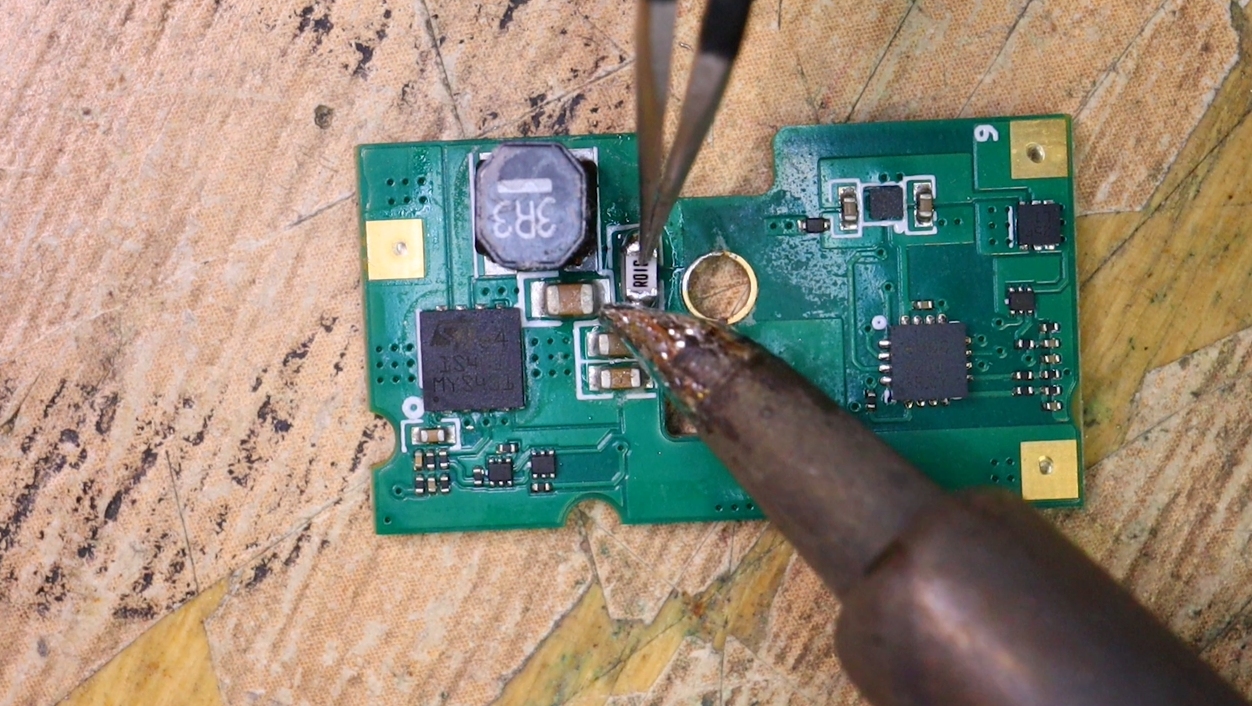
Then I added this tiny sense resistor over the top of the factory sense resistor (do not remove any parts from the driver)
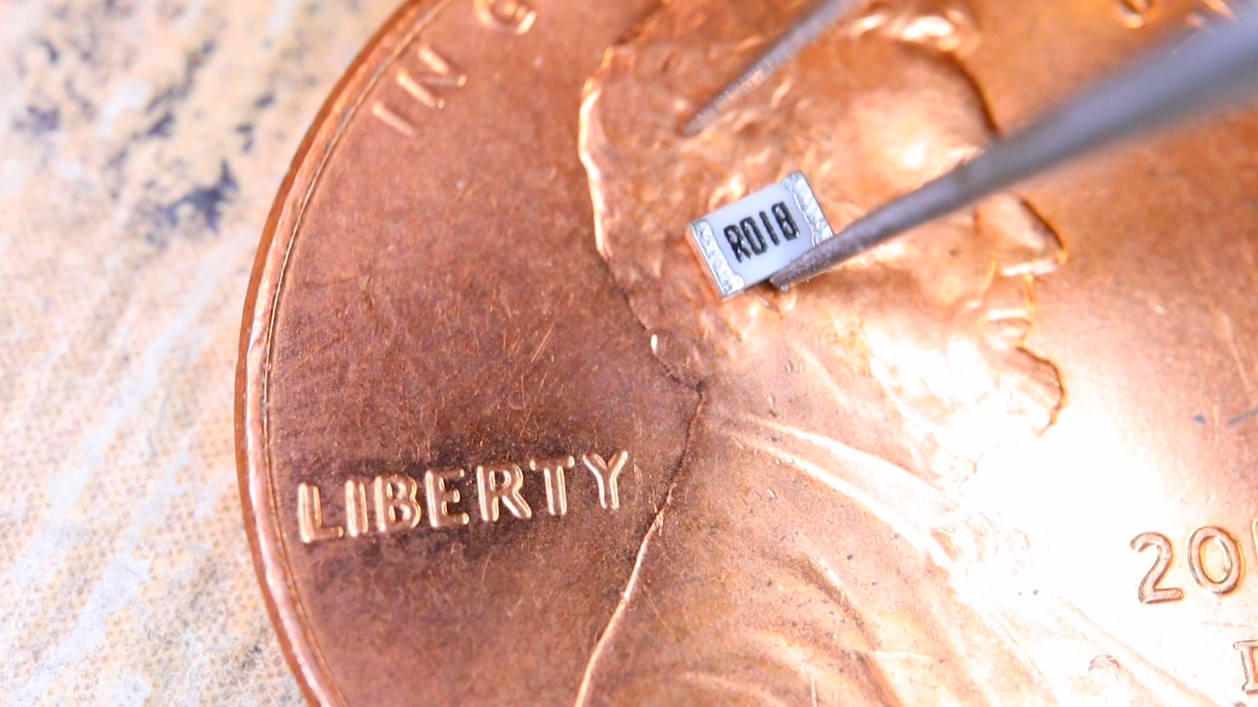
5.PNG

6.PNG


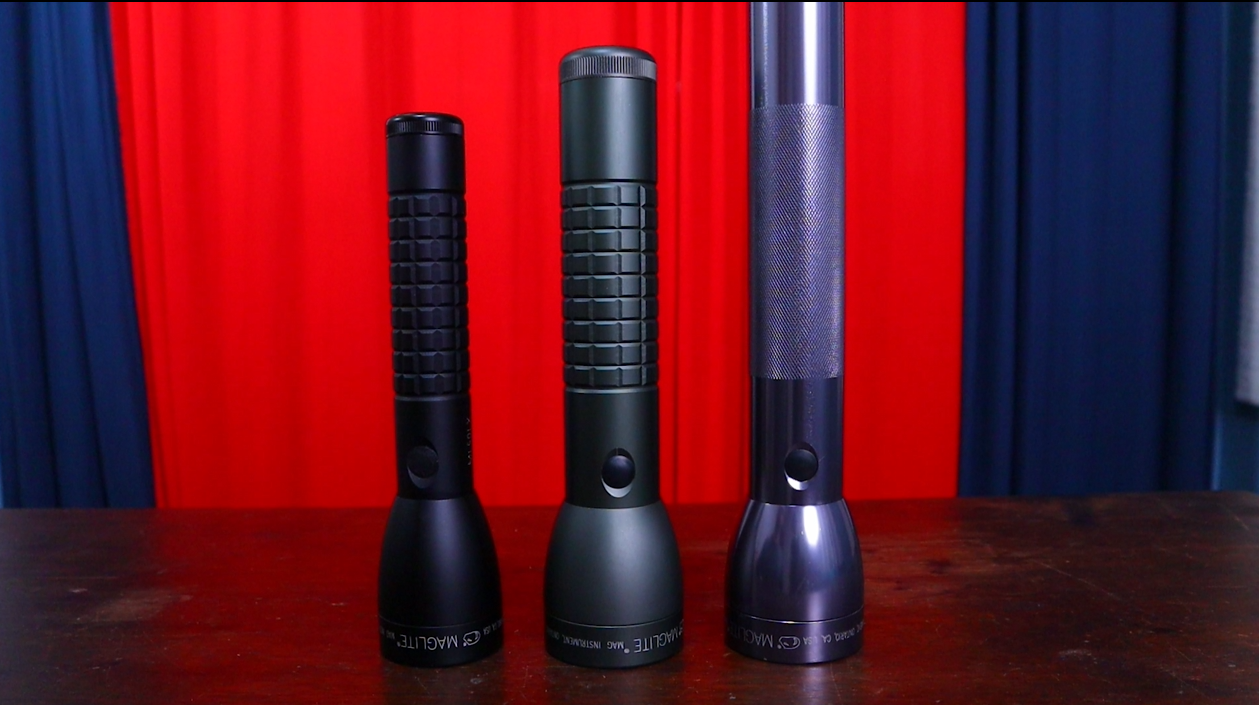
I tested this on several maglites and it works with all the ones I tried (ML50L 2C, ML300L 2D, ML300L 2D
4.PNG


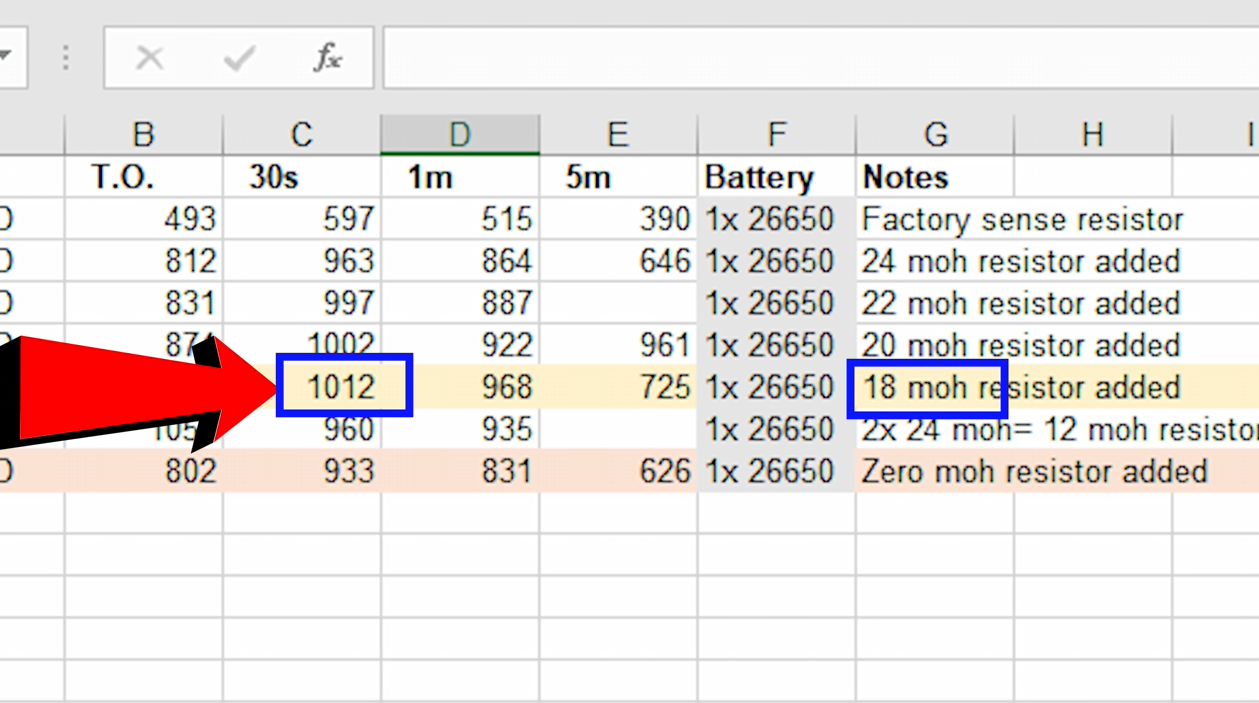
I tested a wide range of resistors to see what worked the best. For the 2C a 14moh 1/2w 0805, and for the 2D and 3D an18 moh 1/2w 0805.
I have extra of the resistors if you guys want any: https://shorturl.at/VHJyE


I tested clear down to a zero ohm, but performance is actually better in most cases if you leave some resistance in the circuit. For example the 2D had a bout 100 less lumens at peak with the zero ohm.
7.PNG
8.PNG
 
well David, there is no rule that says you can not start a new give a light OP. i would sign up to be on your list as i have even more lights i could add to the box. 😁

Aside from an increase in 'P-Out' requiring an increase in 'P-In', what is the technical downside/disadvantage/penalty of this mod?

Thanx!
None that I'm aware of. Maglites own 4D cell is rated at 1000 lumens, so in theory the hardware should be able to perform through its natural life cycle.
 
Matt, thanks for resisters link!

Hey, I viewed you're out of stock of crenellated strike bezels for C/D incan..
Do these come off your machines or imported?
Thx!
 
We have the bezels made overseas. Some of the components for our 4800/2500 lumen bulbs are made in China, but the aluminum housings are CNC machined in Washington state, and the drivers are made in Utah. Final assembly is done here in MO.
 
Hey Matt, how about making aluminum buttons, size to fit later ML25 Mag C tail springs?
Keepower protected cells have that soft copper lined anode.. Although not sure about Vapcell 21700 F60 button top, protected circuits. Haven't used them yet, I'm thinking of ordering a couple from you.
 
That's great Matt - Thanks!

Have you tried this with the 4D or 6D ML300's running 2X 26650's?

(Not sure if the 6D would handle 3X 26650's??)
 
Hey Matt, how about making aluminum buttons, size to fit later ML25 Mag C tail springs?
Keepower protected cells have that soft copper lined anode.. Although not sure about Vapcell 21700 F60 button top, protected circuits. Haven't used them yet, I'm thinking of ordering a couple from you.
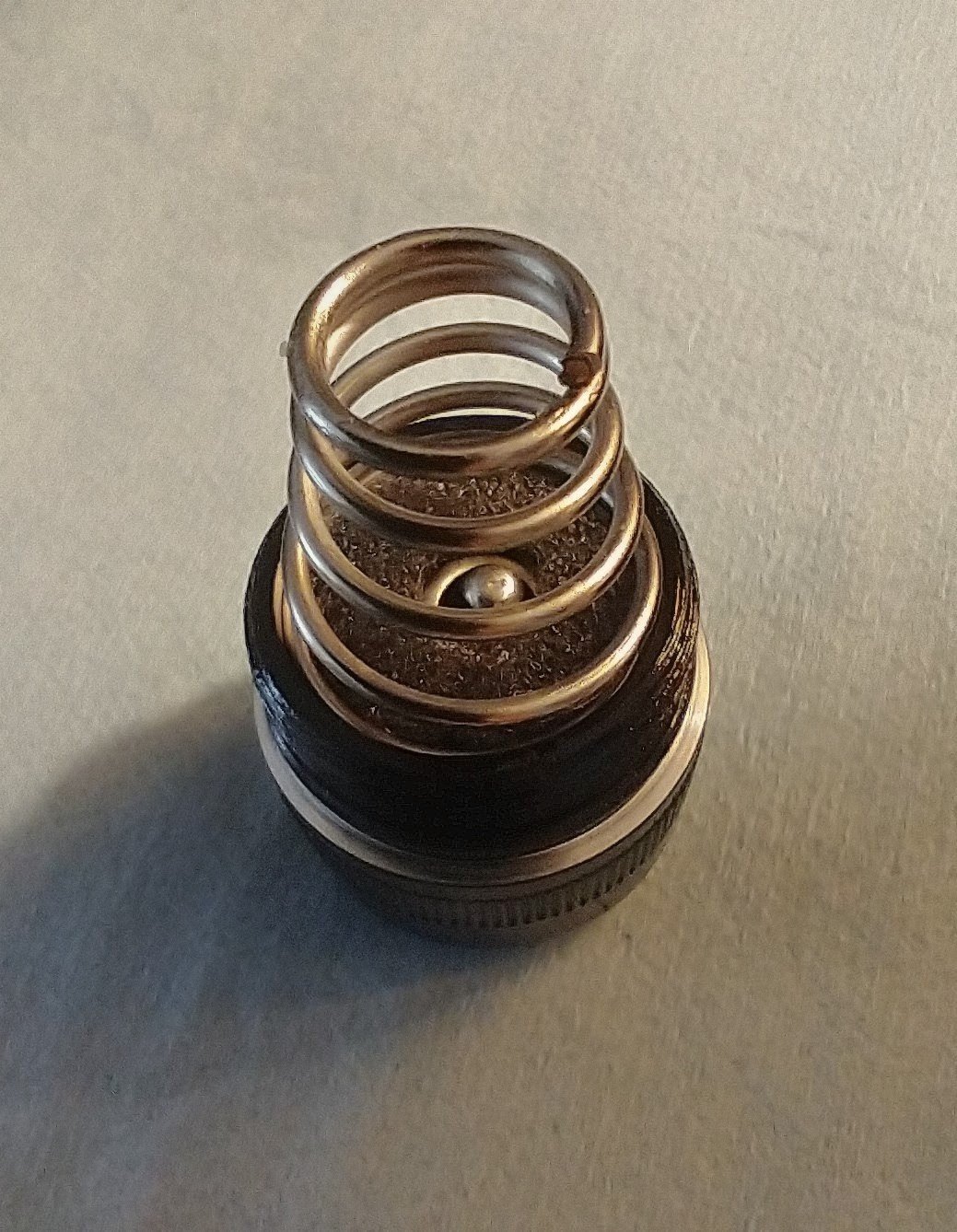
I don't plan to batch any parts for the ML25 at the moment, but I could do something custom if you really need it. My ML25LT has a pretty small diameter spring already and has a bent over coil across the center. Is yours different?
20260424_121334[1].jpg


That's great Matt - Thanks!

Have you tried this with the 4D or 6D ML300's running 2X 26650's?

(Not sure if the 6D would handle 3X 26650's??)

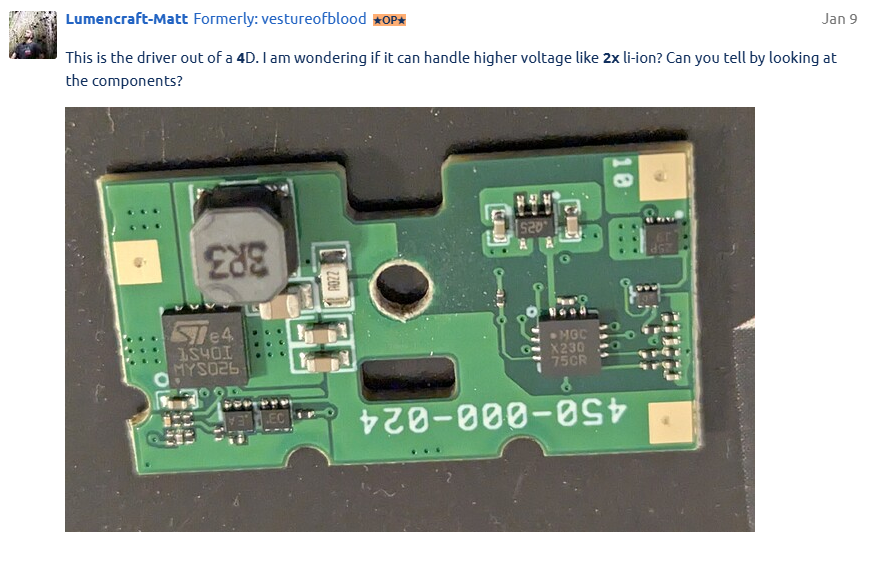
I have not tested the 4 or 6D. However I inquired about the driver over at BLF to see if anyone could tell basted on the component structure.


1.PNG
2.PNG


So my guess is that you could probly run a 4D or 6D LED mag on two li-ion cells. However the tail cap in them is different than incandescent mags, so our shorty tail spring wont fit. Basically our kits won't adapt them the same way.
 
Thanks Matt.

I am already running 2X 26650's in a 4D and 6D ML300 with no issues. 26650's will work with the standard Mag D cell springs.

d9cehyp.jpg


what I was wondering is if the 6D ML300 could handle 3X Li-ions? I'm thinking that they might, but I have not tried it in case it will fry the light.
 
Hey Matt, how about making aluminum buttons, size to fit later ML25 Mag C tail springs?
Keepower protected cells have that soft copper lined anode.. Although not sure about Vapcell 21700 F60 button top, protected circuits. Haven't used them yet, I'm thinking of ordering a couple from you.
KG: Keep in mind that it's still early in my day and I'm not fully awake yet, and having no Mags like the ones being discussed, I don't fully understand this thread anyway, and am not really qualified to discuss it.

That said, if you're talking about fabricating a piece for use in a contact-type electrical connection point, raw Al is about the last material you should use for it. Raw (unplated) Al has no proper place in contact-type electrical connection points.

Just sayin';-)
 
KG: Keep in mind that it's still early in my day and I'm not fully awake yet, and having no Mags like the ones being discussed, I don't fully understand this thread anyway, and am not really qualified to discuss it.

That said, if you're talking about fabricating a piece for use in a contact-type electrical connection point, raw Al is about the last material you should use for it. Raw (unplated) Al has no proper place in contact-type electrical connection points.

Just sayin';-)
Yes you are correct. My first thought was to use 70/30 brass, but since Matt already has made some Al for D size tail springs thought he'd be tuned in for these.
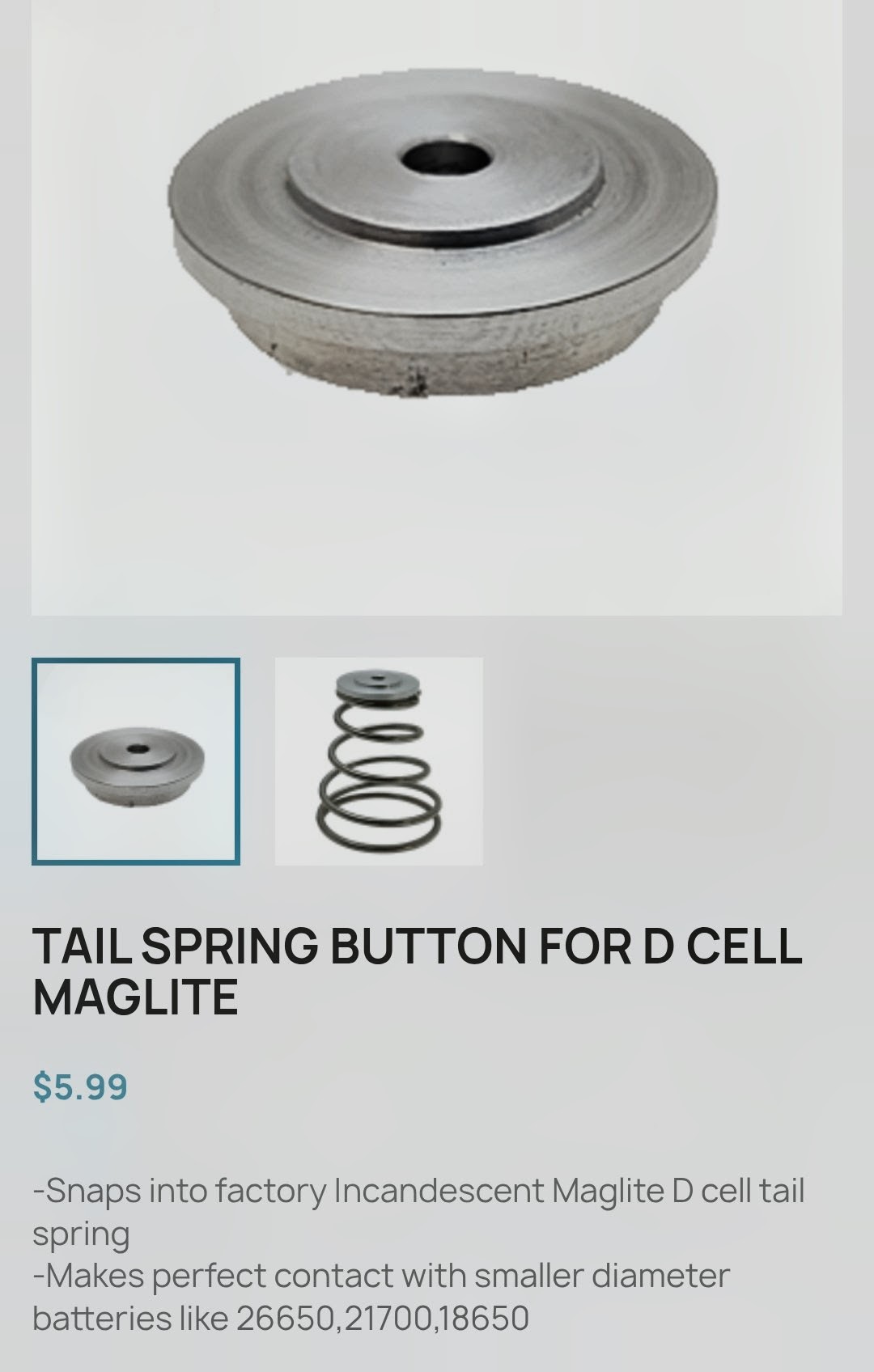
https://lumencraft.com/-diy-parts/245-tail-spring-button-for-d-cell-maglite.htmlScreenshot_20260424-160224~2.jpg
Note the hole through the Al button center. A good spot to solder a copper bypass wire making sure of good ground.. Just saying;^)
 
Last edited:
KG: Keep in mind that it's still early in my day and I'm not fully awake yet, and having no Mags like the ones being discussed, I don't fully understand this thread anyway, and am not really qualified to discuss it.

That said, if you're talking about fabricating a piece for use in a contact-type electrical connection point, raw Al is about the last material you should use for it. Raw (unplated) Al has no proper place in contact-type electrical connection points.

Just sayin';-)
aznsx, what is the reason you think bare aluminum is not a good electrical contact?
 
I run 21700's in my C cell incan Mag - no need for a spring adapter button. Most 18650's would probably work too.

The ML25 and ML50's with the spring that crosses over the center will work with just about anything, including AAA's.
 
Last edited:
Bare aluminum does get that crusty layer of oxidation that can act as electrical insulator.
Though my experience with Al oxidation is when exposed to air, especially on the coast.

So far the Al D cell button is working fine, it's been over a year. And, I don't leave any li-ion powered flashlights in my car or truck, especially during hot summer months.. Plus I'm always checking out my cells.

Edit: Matt could have the buttons nickel plated;^)
 
Last edited:
aznsx, what is the reason you think bare aluminum is not a good electrical contact?
Greetings, 'show me' guy;-) Not to be too picky, but words matter. I don't 'think' this, I know it;-) The short answer would be 'experience', with 50 yrs in the electronics industry, and the last 6+ of those in the aluminum industry specifically....and driving an aluminum car for ~30 yrs;-)

Your question is a good one though. Many are not aware of these issues, and many who are still fail to adequately / fully appreciate the extent of them and their potential effects on their electronic/electrical equipment; including their flashlights. I'm just an electronics guy and a chemistry dummy, but here's how the smart guys in the room, (of which I don't claim to be one), might answer your question.

Another very short answer might be 'aluminum oxide'. Al, having 3 valence electrons, is (relatively) a very good electrical conductor. It is also a fairly 'reactive' metal, and has a particular affinity for oxygen. As soon as raw Al is exposed to Earth air, it begins oxidizing. It doesn't slow down until it forms a very thin covering of Al oxide on its surface (which doesn't take long). This oxidation is generally not particurlarly noticeable visually in the earlier stages, unless the part is polished / shiny, in which case it will make the finish look a bit dull. Two Al atoms transfer a total of 6 valence electrons to three oxygen atoms, resulting in Al oxide (I'm not a math guy either, but I think that's right;-). Al oxide is a very good electrical insulator. This is why Al can be a nightmare mixed into electrical environments unless understood and properly dealt with / its negative properties mitigated. While it's true that high moisture content in the air makes matters worse, it's plenty bad here in the dry desert, I assure you. As an aside, if dissimilar metals are involved, particularly in DC applications (like flashlights), this also opens the door for electrolysis to occur, which further compounds the issue(s), and is definitely worse when moisture is involved.

Stray resistance results in a voltage drop (I²R) across it when current passes through it, that voltage drop subtracts directly from from the voltage being delivered to the load (like your light engine modules) under operating conditions, and the resulting power loss produces and is dissipated in heat. The connection failures often tend to be not only progressive, but intermittent, and the user may just notice an intermittent output from their flashlight as the primary symptom (what Bykfixer would call a "whack-a-palm" flashlight😊).

Just to tie this back in with flashlights: If you ever buy high grade hard alloy Al round bar / rod extrusions for machining into flashlight bodies, if they came from a certain 5-letter household word Al supplier I'm familiar with, you will notice that the cut pieces arrive looking very pretty and shiny. They come out of the extrusion press that way, and I'm told that is enhanced by the timed injection of liquid nitrogen into the right part of the (very hot) die stack at the right time.

After going through a dozen or so fairly complex processes over a period of days, just as the rods pass down the last conveyor prior to being cut/sawed to length and packed, they pass through an enclosure which produces a very thick cloud of well circulated fine mist of aerosolized oil of a special type inside it. This leaves them with a very fine coating of that special oil, and that's why they're so pretty and shiny when they arrive to you. I don't remember the name of that oil, but it specifically inhibits that rapid oxidation.

Cheers!
 
Greetings, 'show me' guy;-) Not to be too picky, but words matter. I don't 'think' this, I know it;-) The short answer would be 'experience', with 50 yrs in the electronics industry, and the last 6+ of those in the aluminum industry specifically....and driving an aluminum car for ~30 yrs;-)

Your question is a good one though. Many are not aware of these issues, and many who are still fail to adequately / fully appreciate the extent of them and their potential effects on their electronic/electrical equipment; including their flashlights. I'm just an electronics guy and a chemistry dummy, but here's how the smart guys in the room, (of which I don't claim to be one), might answer your question.

Another very short answer might be 'aluminum oxide'. Al, having 3 valence electrons, is (relatively) a very good electrical conductor. It is also a fairly 'reactive' metal, and has a particular affinity for oxygen. As soon as raw Al is exposed to Earth air, it begins oxidizing. It doesn't slow down until it forms a very thin covering of Al oxide on its surface (which doesn't take long). This oxidation is generally not particurlarly noticeable visually in the earlier stages, unless the part is polished / shiny, in which case it will make the finish look a bit dull. Two Al atoms transfer a total of 6 valence electrons to three oxygen atoms, resulting in Al oxide (I'm not a math guy either, but I think that's right;-). Al oxide is a very good electrical insulator. This is why Al can be a nightmare mixed into electrical environments unless understood and properly dealt with / its negative properties mitigated. While it's true that high moisture content in the air makes matters worse, it's plenty bad here in the dry desert, I assure you. As an aside, if dissimilar metals are involved, particularly in DC applications (like flashlights), this also opens the door for electrolysis to occur, which further compounds the issue(s), and is definitely worse when moisture is involved.

Stray resistance results in a voltage drop (I²R) across it when current passes through it, that voltage drop subtracts directly from from the voltage being delivered to the load (like your light engine modules) under operating conditions, and the resulting power loss produces and is dissipated in heat. The connection failures often tend to be not only progressive, but intermittent, and the user may just notice an intermittent output from their flashlight as the primary symptom (what Bykfixer would call a "whack-a-palm" flashlight😊).

Just to tie this back in with flashlights: If you ever buy high grade hard alloy Al round bar / rod extrusions for machining into flashlight bodies, if they came from a certain 5-letter household word Al supplier I'm familiar with, you will notice that the cut pieces arrive looking very pretty and shiny. They come out of the extrusion press that way, and I'm told that is enhanced by the timed injection of liquid nitrogen into the right part of the (very hot) die stack at the right time.

After going through a dozen or so fairly complex processes over a period of days, just as the rods pass down the last conveyor prior to being cut/sawed to length and packed, they pass through an enclosure which produces a very thick cloud of well circulated fine mist of aerosolized oil of a special type inside it. This leaves them with a very fine coating of that special oil, and that's why they're so pretty and shiny when they arrive to you. I don't remember the name of that oil, but it specifically inhibits that rapid oxidation.

Cheers!
Godspeed, brother, all that is probably trade secret knowledge, lol...I don't believe the passive oxide layer gets quite thick enough to form an effective dielectric...I believe you'd need at least 3 orders of magnitude thicker oxidation (anodization) to form an appreciable dielectric...right?

**it's when the galvanic corrosion from dissimilar metals occurs that might mess with the conductivity...
 
Building construction wiring (15-20 amp circuits) used Al wires for a short time during late 60s. Trying to save on construction costs by not using copper. The amount of oxidation and corrosion especially near the coastal construction, along with home fires accredited to loosening connections from Al expansion contraction. Anyway, Romex Al cable wire was outlawed in the early 70s.. Just saying
 
Building construction wiring (15-20 amp circuits) used Al wires for a short time during late 60s. Trying to save on construction costs by not using copper. The amount of oxidation and corrosion especially near the coastal construction, along with home fires accredited to loosening connections from Al expansion contraction. Anyway, Romex Al cable wire was outlawed in the early 70s.. Just saying
How long would something like that take to occur in something like a flashlight?
 
Back
Top